An Emergency Dentist’s Guide to a Dental Abscess
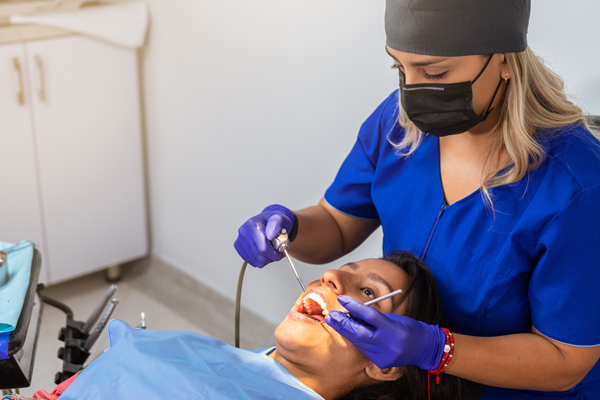
If you or a loved one has a dental abscess, then you need to visit an emergency dentist as soon as possible to ensure the infection does not spread to the rest of the mouth. A dental abscess causes more than a simple toothache, and delaying care may increase the risk of serious complications. As an emergency dentist, the goal is to relieve discomfort, eliminate the infection, and preserve the affected tooth whenever possible. Read on to learn what an abscess is and what to do before seeing an emergency dentist.
What is a dental abscess?
A dental abscess is a pocket of pus that forms when bacteria infect the tooth, gums, or surrounding tissues. The infection often begins because of untreated tooth decay, a cracked tooth, advanced gum disease, or trauma that allows bacteria to enter the tooth. Once the bacteria reach the inner pulp or nearby tissues, pressure builds, and inflammation develops.
An abscess rarely resolves on its own. Without treatment, the infection may spread to nearby teeth, the jawbone, or other areas of the body. Early evaluation by an emergency dentist helps prevent these complications while improving the likelihood of saving the tooth.
Recognizing the warning signs
Dental abscesses often cause noticeable symptoms that continue to worsen over time. Seeking prompt care when these signs appear allows treatment before the infection progresses.
Common symptoms include:
- Persistent, throbbing tooth pain
- Swelling of the gums, face, or jaw
- Sensitivity to hot or cold foods and beverages
- Pain while chewing or biting
- A bad taste or unpleasant odor in the mouth if the abscess drains
- Fever or swollen lymph nodes in more advanced cases
Any combination of these symptoms deserves immediate professional evaluation. Facial swelling, difficulty swallowing, or trouble breathing requires urgent medical attention because the infection may be spreading.
How an emergency dentist treats a dental abscess
Treatment depends on the location and severity of the infection. The first priority is reducing pressure and removing the source of the infection. In some cases, the abscess may need to be drained to relieve discomfort and allow healing to begin.
If it is possible to preserve the tooth, root canal therapy may remove the infected tissue while protecting the remaining tooth structure. When the damage is too extensive, tooth extraction may provide the healthiest solution. An emergency dentist may also prescribe antibiotics when the infection has spread beyond the immediate area or when swelling is significant. After treatment, patients receive instructions that support healing and reduce the risk of future infections.
Preventing future dental abscesses
Although not every dental abscess is preventable, consistent oral hygiene greatly lowers the risk. Brushing twice each day, flossing daily, limiting sugary foods and beverages, and attending routine dental checkups help reduce bacterial buildup that leads to decay and gum disease. Addressing small cavities or damaged teeth promptly also prevents bacteria from reaching the inner portions of the tooth.
Do not wait to seek care for an abscess
Patients must not ignore a dental abscess because infections can worsen rapidly without treatment. Prompt evaluation allows an emergency dentist to relieve pain, treat the infection, and protect long-term oral health. Call our office immediately for more information or to schedule an emergency dental evaluation.
Request an appointment here: https://www.kbdental.com or call KB Dental at (248) 294-7294 for an appointment in our West Bloomfield Township office.
Check out what others are saying about our dental services on Yelp: Emergency Dentist in West Bloomfield Township, MI.
Related Posts
A healthy and attractive-looking smile can improve your confidence and overall quality of life. Invisalign treatment is a modern orthodontic solution designed to effectively straighten your teeth. Unlike traditional metal braces, Invisalign aligners are nearly invisible and custom-made to fit comfortably, making them an ideal option for more discreet orthodontic treatment.Invisalign treatment uses advanced technology…
Invisalign has transformed orthodontic care, offering a discreet and convenient solution for straightening teeth. While traditional braces remain a viable option for some, Invisalign provides clear advantages, making it an increasingly popular choice for patients seeking effective and comfortable orthodontic treatment.Invisalign is a modern orthodontic treatment that gradually moves teeth into alignment using a series…
Invisalign® is a convenient and effective option for straightening teeth while maintaining a natural-looking smile. Unlike traditional braces, Invisalign uses nearly invisible clear aligners, making it a popular choice for those seeking a discreet orthodontic solution. Understanding how to care for and use aligners is essential for achieving the best results. Patients can make the…
Straightening your teeth with Invisalign® is more comfortable than wearing traditional braces. Aside from realigning your teeth, this dental straightening system enhances your oral wellness. Understanding how this is possible can convince you to see your dentist about this treatment. Here are the details about how Invisalign can enhance your oral health.Crooked teeth create areas…